
ADU Builders: Repair or Replace? How Roseville Homeowners Decide
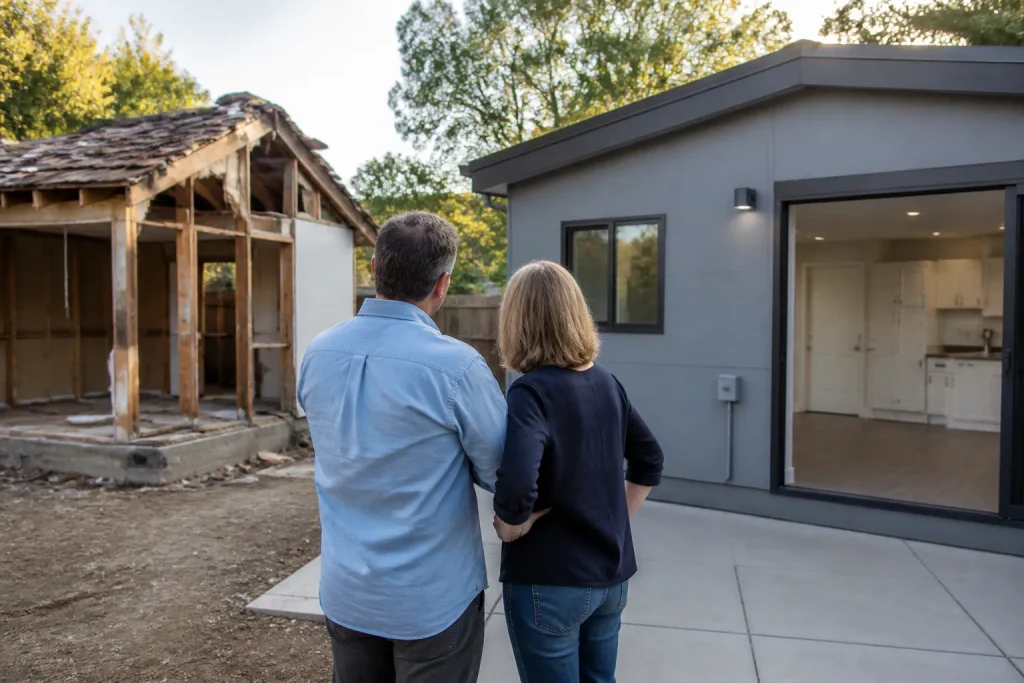
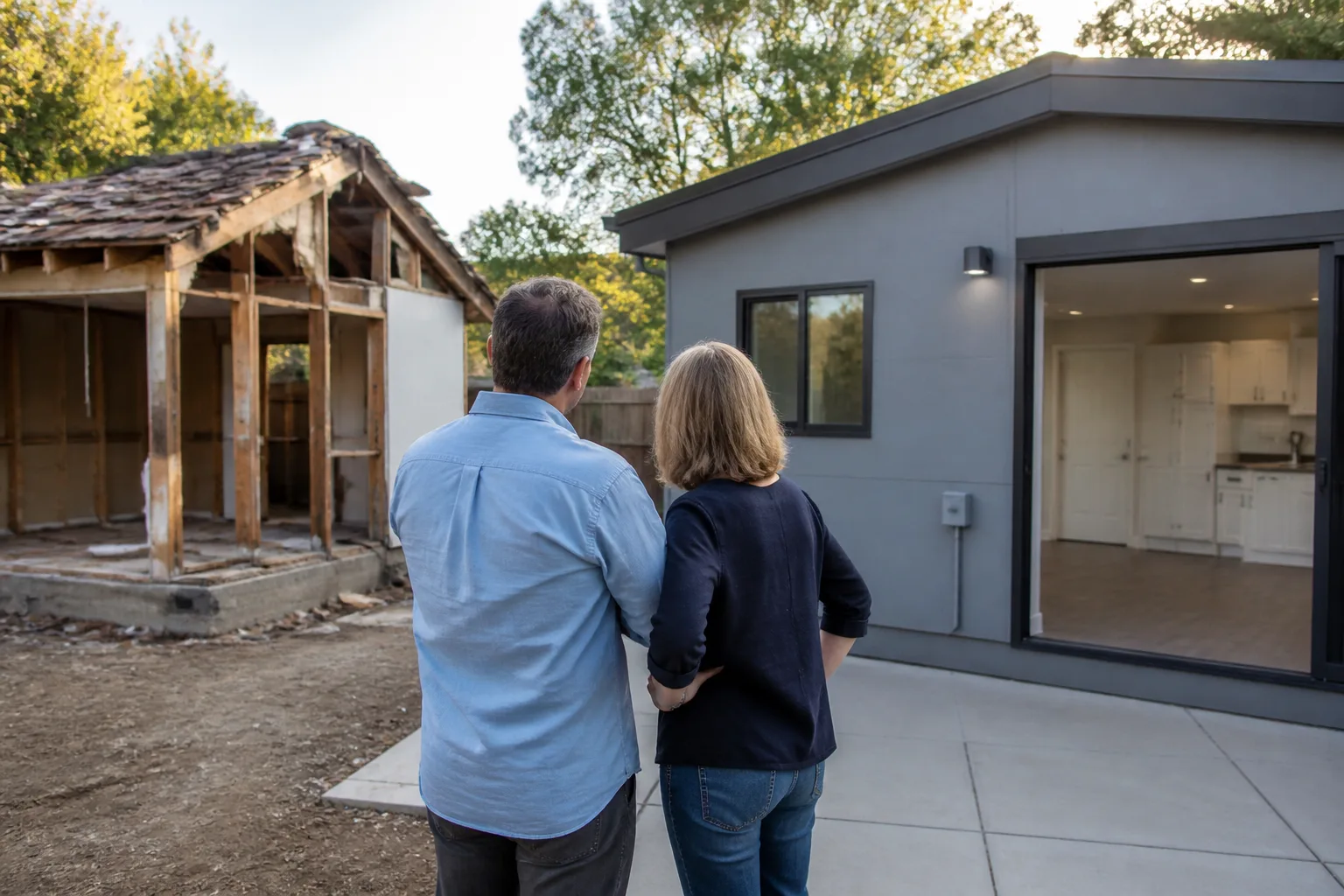
Most Roseville homeowners with an older detached garage assume converting it will always beat building new. That assumption costs money. The honest answer is that the repair-or-replace call comes down to two things: the foundation and how the structure was originally built. A slab that’s sound and a frame that meets current code can make conversion the smarter spend. A cracked, undersized slab or a garage that was never permitted for habitation usually tips the math toward new construction on a fresh pad.
Key Takeaways
- Conversion wins when the slab is sound, the frame is straight, and the structure was permitted as a garage.
- New construction wins when the foundation is failing or the structure was built as an unpermitted shed with no inspected footprint.
- Title 24 energy rules and current electrical and plumbing code add real cost to conversions of pre-1990 structures.
- The permit pathway differs sharply between a permitted structure and an unpermitted one, and that difference alone can change the verdict.
Why does the foundation decide most Roseville repair-or-replace questions?
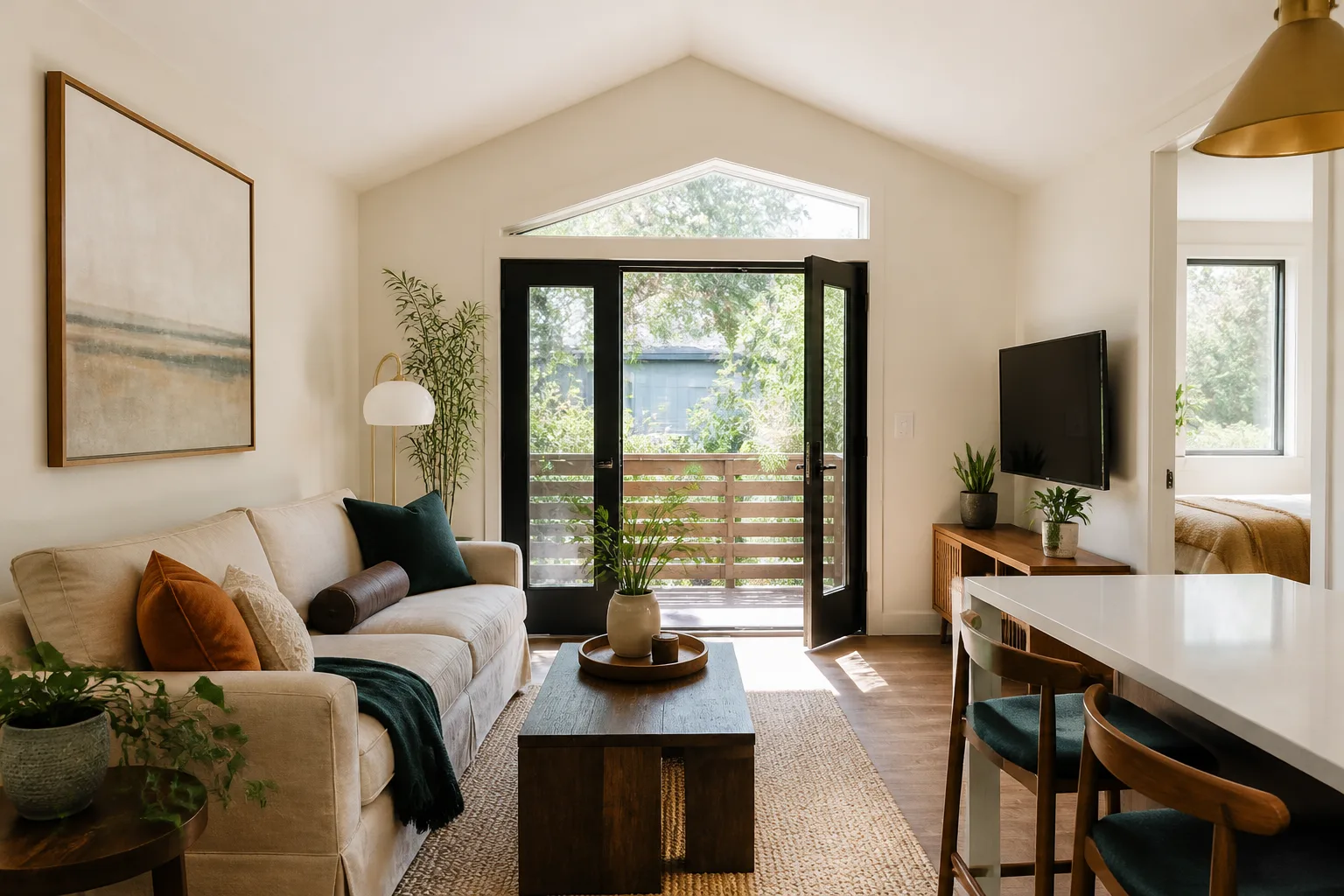
Concrete is the budget line that quietly breaks projects. A detached garage conversion only pencils out when the existing slab can carry the new loads and meet current code for habitation without a rebuild. In our experience walking Roseville properties, pre-1990 garages split into two camps: slabs poured thick enough to convert, and thin, cracked, or settling slabs that need replacement, which means the conversion has to absorb the cost of new concrete anyway.
Here’s what a structural assessment actually checks before anyone commits to conversion:
- Slab condition and thickness. Cracks, settlement, and the depth of the pour determine whether the floor can stay or gets torn out.
- Framing square and plumb. Walls out of true make it harder to insulate and finish to current code.
- Roof and structural span. An old low pitch or a sagging ridge may need rework before it’s habitable.
- Foundation type and anchoring. How the walls tie into the slab matters more than the walls themselves.
- Original permitted use. Whether it was ever approved as a garage versus a shed changes everything downstream.
If the slab needs replacing, you’re already paying for a new foundation. At that point a factory-built unit on a clean new pad often lands in the same range with fewer unknowns. That’s the fork in the road, and it’s worth getting the assessment before you fall in love with a floor plan.
How do Title 24 and current code change the cost for older structures?
Converting an existing structure means bringing it up to today’s energy and systems code, and older Roseville garages were never built to those standards. California’s Title 24 energy requirements mean insulation levels, windows, and weather sealing all have to meet current thresholds, which is a serious cost on a building that was never insulated at all. You’re not upgrading a habitable space; you’re finishing one from scratch.
Electrical and plumbing push the number higher. A garage typically has one circuit and no drain lines. A conversion needs a real panel, dedicated circuits, and a bathroom and kitchenette tied into water and waste. Running new systems through an old frame is often the costliest part of the job, and it’s exactly where budgets drift. A garage conversion done well accounts for this up front rather than discovering it mid-build.
This is the honest trade-off. A garage conversion looks cheaper on paper because the shell already exists. Once the slab, insulation, wiring, and plumbing are brought to code, the gap between converting and building new can close fast. Prefab units from Abodu, Cover, or Dvele arrive built to current energy standards, which removes the Title 24 surprise entirely.
When does a garage conversion make clear financial sense?
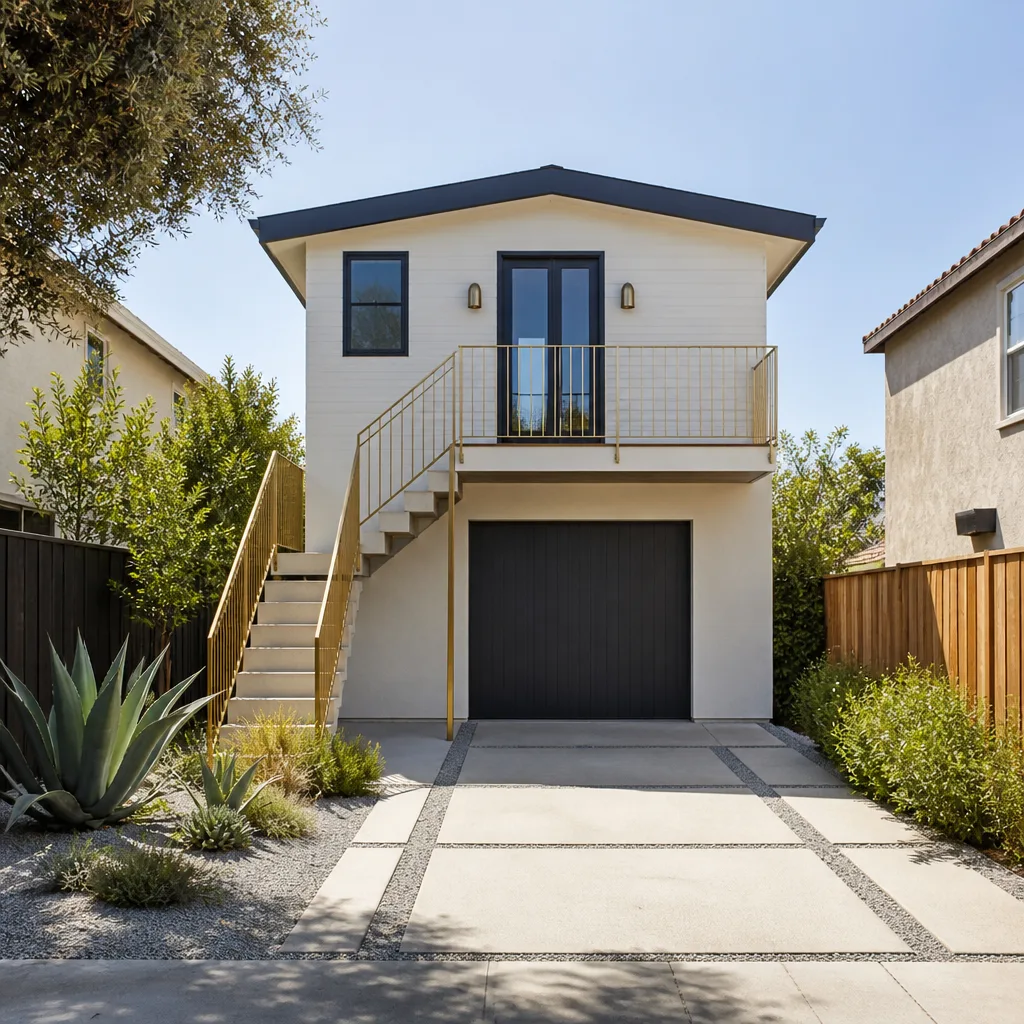
A garage conversion wins when the structure is already close to code. If the slab is sound, the frame is straight, the roof is intact, and the building was permitted as a garage, you’re finishing a shell rather than rebuilding one. In that case conversion is often the lower-cost path and the faster one, because you skip site excavation and a fresh foundation.
It also wins when the garage is attached or tightly tucked against the lot line, where new construction has nowhere to go. Small Roseville lots sometimes leave an existing garage as the only realistic footprint for a unit. When the buildable area is the garage, converting it is the answer no matter the code work.
The financial case usually holds when all of these are true:
- The slab passes inspection without replacement.
- The building was permitted and inspected as a garage originally.
- The roof and framing need finishing, not rebuilding.
- Utilities can be run without major excavation.
Hit three of these and the numbers favor keeping what’s there. Miss two, and new construction is usually worth pricing side by side.
When does new construction beat conversion on total cost and timeline?
New construction wins when the existing structure’s foundation fails, when it was never permitted for habitation, or when the code upgrades to a garage effectively rebuild it from the inside. Priced honestly, a gutted-and-rebuilt garage and a new detached unit often land in the same neighborhood. When the totals are close, the new unit usually wins because it removes the unknowns an old structure carries.
Timeline matters too. A conversion of a sound structure can move quickly because it skips excavation and foundation work. A conversion of a failing structure spends its schedule on remedial work that a new build simply doesn’t have. Prefab brands help here. Factory-built units from Dvele or Cover arrive as finished product, so the field work shrinks to site prep and assembly, and the schedule is far more predictable than remodeling an old shell where every wall hides a surprise.
As a team that handles both paths, we know both and when each one wins. We’re not tilted toward new builds, so the recommendation tracks the numbers, not the invoice. Building a detached ADU on a clean pad is sometimes the cheaper answer, and sometimes it isn’t. The foundation report tells you which.
How does the permit pathway differ for permitted vs. unpermitted structures in Roseville?
A permitted garage has a paper trail. Records show it was inspected, that the slab and framing met code when built, and that the structure exists legally. Converting it is an alteration and change-of-use pathway, which is more straightforward because the starting point is known and approved. An unpermitted structure has none of that. Its footprint, framing, and foundation are unverified, and the city may require corrections to legalize it before it can be converted at all.
That gap changes the whole decision:
- Permitted structure: the city is reviewing a conversion of something they already approved, so the scope of review is narrower.
- Unpermitted structure: you may face legalization first, and correction requirements you didn’t plan for.
- Unknown footing: if the foundation was never inspected, its adequacy is uncertain until someone checks.
Rules depend on the city and the lot, so we confirm every detail with Roseville’s planning and building department before plans are final. Permits are part of our process, not your problem, and that matters most when the existing structure was never on the record. Get the record straight before you commit to repairing something that isn’t legal yet. For smaller units that fit within an existing home, a junior ADU can sidestep some of the footprint questions entirely.
How do you get an honest repair-vs.-replace assessment from a builder?
Ask a builder who profits from new construction how they’d handle a repair, and listen to how quickly they pivot to replace. The tell is whether they inspect the structure or just frame the conversation around a new unit. An honest assessment starts with the foundation and the permit record and works outward; a sales pitch starts with the outcome they want to sell. Our technicians have up to 12 years of experience across both paths, and we price replacing against repairing using the same structural report.
Questions that reveal bias fast:
- “Will you put in writing why repairing the slab isn’t viable, or just that it isn’t?”
- “What would the conversion cost if the foundation held?”
- “Are you comparing a new build to a fully code-compliant conversion, line item to line item?”
- “Do you pull and manage the permits yourself, or hand that off?”
A builder who answers these in writing and shows you the repair number next to the replace number is giving you a real assessment. One who only offers a new-unit quote is telling you where their interest sits. We work both sides of this decision, so we can afford to tell you when the existing garage is the better answer.
When should you call a pro instead of deciding alone?
Call a pro the moment the structure involves foundation work, unpermitted history, or code upgrades you can’t confirm from the outside. Slab condition and footing adequacy aren’t things a homeowner can judge from a walk-through. Getting them wrong is expensive in both directions, and a structural report is what turns a guess into a decision. Get someone out to look at the foundation and pull the permit record before you commit either way.
From design to permit to move-in, we handle every ADU type, so the right fit drives the decision rather than the format we prefer. We build detached units, ADU builders who focus on ADUs exclusively rather than general remodeling, and this focus shows in the questions we ask before anyone prices a job.
Related services in Roseville: Looking at the full picture before you decide? Our ADU builder Roseville page covers how a project comes together from assessment to final inspection.
The Bottom Line
For most Roseville homeowners deciding between repairing and replacing, the foundation and the permit record make the call. A sound slab and a permitted garage favor conversion. A cracked slab, unpermitted history, or heavy code work favor new construction on a fresh pad. Price both, in writing, before you commit. Title 24 and electrical upgrades are the wildcards that can erase the gap between the two, especially on pre-1990 structures. If you’re in Roseville and need help, ADU Builder Roseville offers free estimates. Call (279) 201-6719 to get an honest repair-vs.-replace assessment from a team that builds both.
Frequently Asked Questions
It depends on the slab and permit record. A sound, permitted slab usually makes conversion cheaper. A failing or unpermitted structure often pushes the total to new-construction territory once code upgrades are factored in. Call (279) 201-6719 for a free estimate on both paths.
A structural assessment checks the slab’s condition, thickness, and settlement, plus how the walls anchor to it. You can’t confirm that from a visual walk-through, so get it checked before committing. We inspect and report in writing. Call (279) 201-6719 to schedule a free assessment.
Usually, yes. An unpermitted structure has no verified footprint or foundation, so legalization and corrections may be required before conversion. The exact requirements depend on the city and the lot. Call (279) 201-6719 and we’ll confirm the pathway with the city before plans are final.
Sometimes. When an old garage needs a new slab and heavy code work, a factory-built unit from a brand like Abodu, Cover, or Dvele placed on a fresh pad can land close to a fully compliant conversion with fewer unknowns. Price both in writing. Call (279) 201-6719 for a free estimate.
Contact
Deciding between repairing an old structure and building new is a financial question before it’s a construction one. We answer 24/7, with fast dispatch from 7am to 7pm, Sunday through Friday. Call (279) 201-6719 for a free estimate and an honest assessment of both options.
Written by the team at ADU Builder Roseville.
Need ADU Help?
Call ADU Builder Roseville - the local pro we connect you with is licensed and insured, here with fast help in Roseville.
(279) 201-6719